

 All news is rigorously fact-checked and reviewed by leading blockchain experts and seasoned industry insiders.
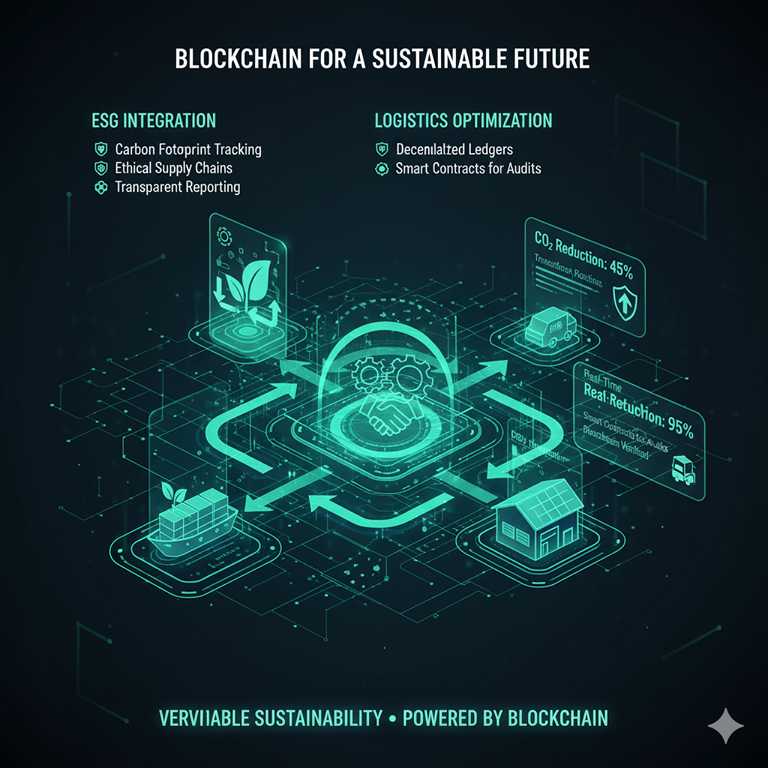
VeChain offers specialized solutions for businesses and logistics providers, ultimately benefiting end consumers as well. With its native VET token, this Chinese blockchain startup aims to bring greater transparency to both domestic and global supply chains. Blockchain is an ideal fit: it allows tamper-proof product traceability—from the producer, through logistics companies, all the way to the hands of the end customer.
Table of Contents
- VET Cryptocurrency: Origins and Background
- Technology and How VeChain Works
- Strategic Partnerships and Industry Integrations
- Real-World Use Cases of VeChain
- VeChain Tokenomics Explained
- Latest News and Developments
- FAQ: Unanswered Questions About VeChain
VET: Origins and Background
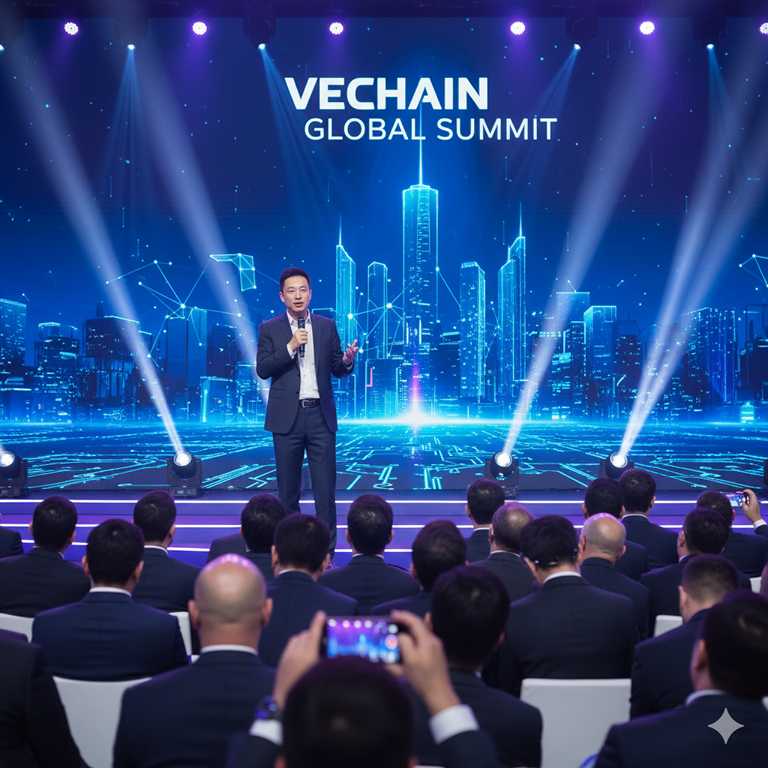
VeChain was founded in 2015 by Sunny Lu, who had previously served as CIO of Louis Vuitton China. With deep experience in global supply chains, he launched VeChain under the umbrella of the Shanghai-based blockchain firm Bitse. Today, VeChain operates independently on its own blockchain: the VeChainThor platform, powered by the VTHO token. Since its inception, the focus has remained constant—delivering transparency, efficiency, and added value for enterprise and industrial applications.
VeChain Explained: Technology and How It Works
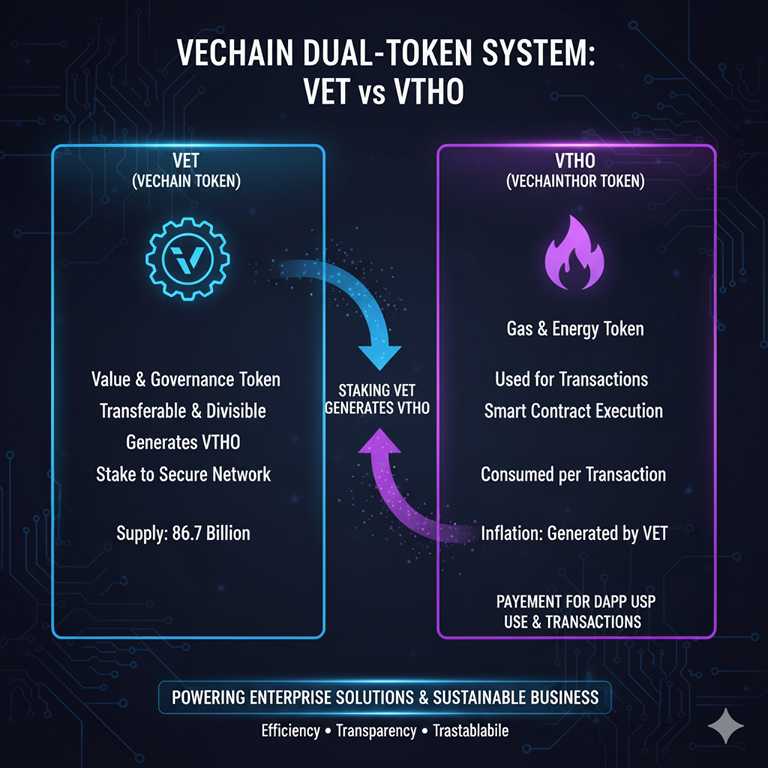
VeChain operates with a dual-token system:
- VET – the main value-transfer token, used for payments and as a store of value.
- VTHO – the “energy” or “gas” token, used to cover transaction and Smart Contract execution costs.
The network runs on a Proof-of-Authority (PoA) consensus mechanism, ensuring scalability, efficiency, and low fees. Within its ecosystem, VeChain supports Smart Contracts and dApp development, but unlike Ethereum, it is strongly oriented toward enterprise-level business use cases.
Strategic Partnerships and Industry Integrations
Over the past decade, VeChain has built strong industry partnerships across diverse sectors. From luxury goods to retail and healthcare, its blockchain has proven valuable in tracking, certification, and counterfeit prevention.
| Industry | Partners | Use Cases |
|---|---|---|
| Industry | BMW, PwC, DNV | Certifications & Quality Management |
| Retail | Walmart China | Food Safety & Supply Chain Tracking |
| Healthcare | Pilot Projects | Drug & Active Ingredient Tracking |
| Sustainability | Various | ESG Reporting & CO2 Verification |
Real-World Use Cases of VeChain
One of VeChain’s core strengths is its ability to ensure transparency and immutability. Products can be tracked throughout their supply chain, ensuring authenticity and safety. Manufacturers gain precise insights into the location and condition of components, while end users benefit from proven authenticity.
Beyond supply chain applications, VeChain has also entered the Web3 ecosystem, with NFTs and DeFi projects built on the VeChainThor blockchain.
VeChain Tokenomics: Understanding VET and VTHO
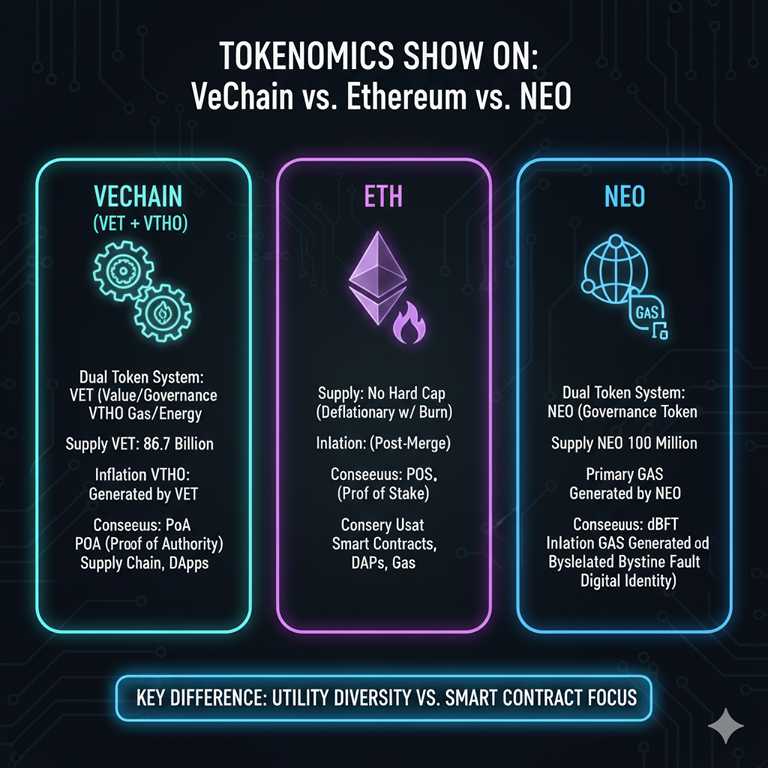
The dual-token model plays a crucial role:
- VET serves as the primary currency for value transfer and investment, with a supply of approximately 86 billion tokens.
- VTHO is specifically generated and used as gas for transactions.
| Token | Purpose | Supply |
|---|---|---|
| VET | Value transfer, store of value | ~86 Billion |
| VTHO | Transaction fees & smart contract gas | Generated as a byproduct of holding VET |
Latest VeChain News and Developments
VeChain continues to expand its partnership network in supply chain industries. Since 2025, a clear focus has been placed on ESG and sustainability projects. Meanwhile, the company is also actively promoting the growth of NFTs and DeFi solutions within the VeChainThor ecosystem.