
 All news is rigorously fact-checked and reviewed by leading blockchain experts and seasoned industry insiders.
- Binance and Venezuela face growing scrutiny as U.S. sanctions target crypto channels allegedly used for foreign currency operations.
- Inflation surpassing 229% drives Venezuelans toward Binance and USDT, redefining digital dollarization in a hyperinflationary environment.
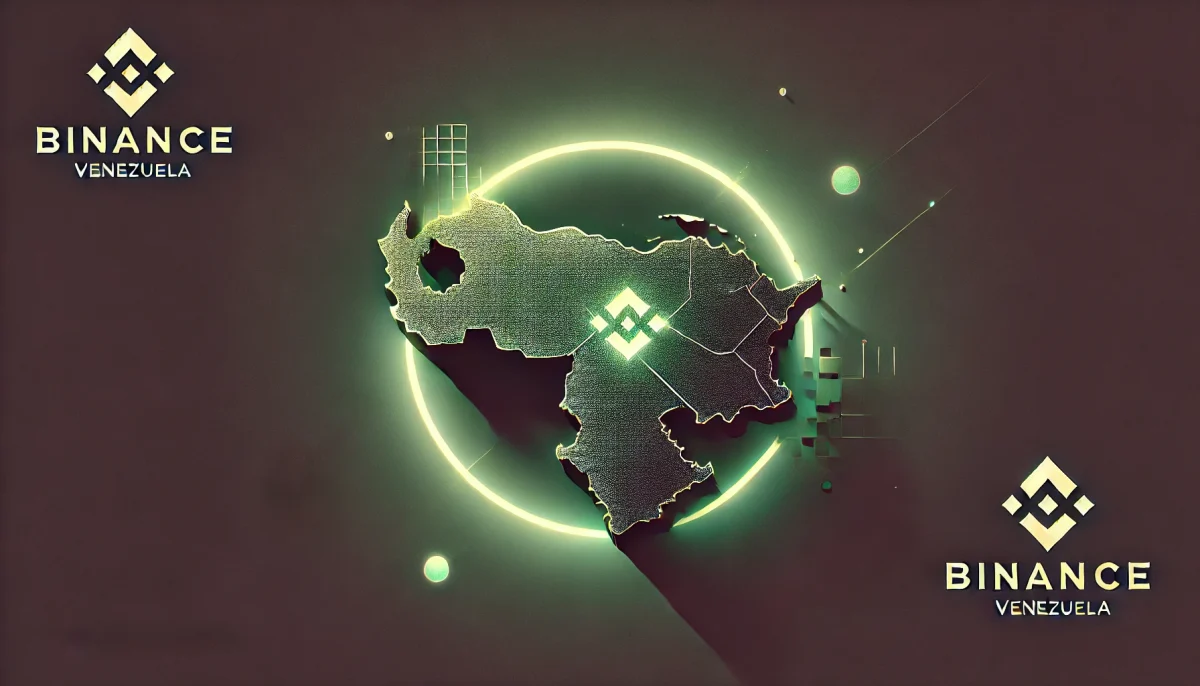
The relationship between Binance and Venezuela has entered a period of tension following renewed speculation about a possible suspension of the exchange’s activities in the country. The discussion began in mid-2025 after Nicolás Maduro and Diosdado Cabello accused Binance of manipulating the price of USDT to influence inflation levels. Although the Venezuelan government has not taken concrete action, the memory of the temporary platform block in 2024 continues to shape market expectations.
Through its peer-to-peer market, Binance and Venezuela are now linked by a shared dependency: the exchange’s price data has become the main reference for the free-market dollar rate. The current rate surpasses 300 bolívares per dollar, while the Central Bank maintains an official rate near 203. This discrepancy amplifies inflationary pressure in a country already facing consumer price increases above 229%. According to projections from Bloomberg and Bank of America, inflation could reach 530% by the end of 2025.
A new source of pressure on Binance and Venezuela comes from Washington. The U.S. government may introduce additional sanctions, potentially using Tether (USDT) and Binance to restrict the Venezuelan government’s access to foreign operations. Reports suggest the Central Bank of Venezuela employs USDT to settle transactions abroad, circumventing existing OFAC restrictions. Such practices could prompt the U.S. Treasury to tighten controls that indirectly affect Binance’s operations in Venezuela.
Despite public speculation, no formal shutdown has been confirmed. However, the experience in other regions—such as Binance’s suspension of services in Palestine after AML compliance violations—serves as a warning. The connection between Binance and Venezuela extends beyond cryptocurrency: the platform reportedly facilitates over one billion dollars in monthly transfers, much of which finances essential imports. A forced closure would disrupt not only digital asset trading but also core supply chains sustaining Venezuela’s fragile economy.
