All news is rigorously fact-checked and reviewed by leading blockchain experts and seasoned industry insiders.
Dogecoin is a peer-to-peer digital currency—born from an internet meme—that lets you send value online quickly and with low fees.
Key takeaways
- Dogecoin (ticker: DOGE) runs on a public blockchain using Scrypt proof-of-work and is merge-mined with Litecoin.
- Blocks target ~1 minute, enabling fast confirmation and low typical fees.
- New coins enter circulation at a fixed emission each year, making supply uncapped.
- The project is community-driven with a culture of tipping, donations, and fun.

In 2013, Dogecoin (DOGE) emerged as a cryptocurrency that deliberately set itself apart from its predecessors. While other digital assets like Bitcoin aimed to reinvent money or Ethereum to serve as a platform, Dogecoin was created as a playful side project. Despite its humorous origin, success quickly followed.
Why the meme mattered
The approachable brand lowered barriers for newcomers. By stripping out jargon and celebrating small acts—like tipping a creator a few DOGE—adoption spread organically.
The Origins of Dogecoin: A Joke That Became Serious
Dogecoin was developed by software engineers Jackson Palmer and Billy Markus. Both were skeptical of the Bitcoin hype at the time and saw DOGE primarily as satire, art, and fun.
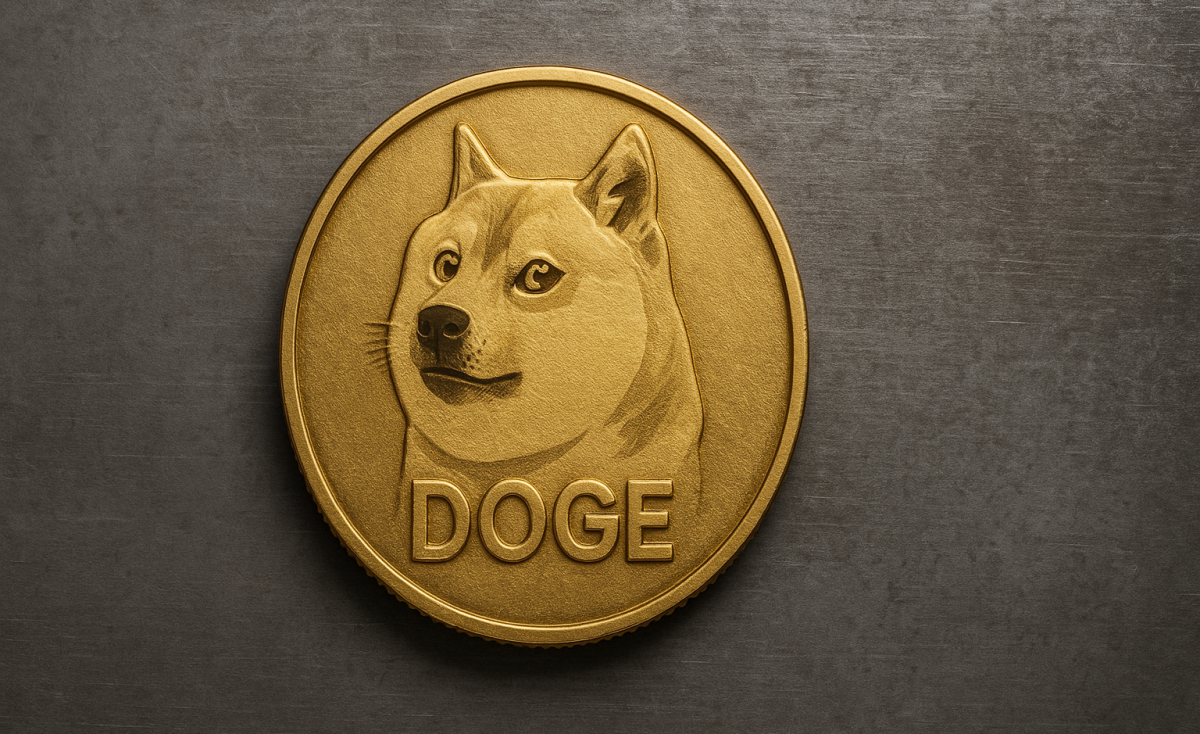
For branding, they chose the viral “Doge” meme featuring a charming Shiba Inu dog. While its market capitalization remains smaller, in a Dogecoin vs. Bitcoin comparison, DOGE still holds its ground as a recognizable digital currency.
How Dogecoin Works: Technology Behind the Meme Coin
DOGE runs on a Proof-of-Work mechanism and derives its code from Litecoin. Unlike Bitcoin, it has no maximum supply, which means Dogecoin is inherently inflationary.
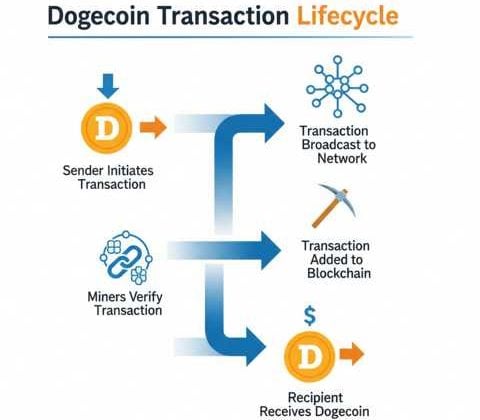
With the Scrypt algorithm and block times under a minute, DOGE transactions are both fast and cheap. This makes it ideal for small payments, donations, and tipping online.
Dogecoin’s community, often called the “DogeArmy,” is known for its humor and loyalty. What began as a meme has grown into a currency with real-world sponsorships and partnerships. DOGE has supported NASCAR and even sponsored Jamaica’s official bobsled team. Elon Musk, a vocal supporter, has further fueled its popularity through ties with SpaceX and Tesla.
| Partner |
Use Case |
| BitPay |
Crypto payments online |
| AMC Theatres |
Tickets and merchandise |
| SpaceX |
Funding Doge-1 mission |
| Newegg |
E-commerce payments |
Dogecoin thrives as a tool for quick, inexpensive, and reliable payments online. Charities often raise funds in DOGE, and social media tipping remains popular. Like other cryptocurrencies, it is traded on global exchanges and used as both an investment and a speculative asset, all while maintaining its meme-inspired identity.
DOGE Tokenomics: Unlimited Supply, Continuous Inflation
Dogecoin’s lack of a maximum supply means new coins constantly enter circulation. Around 5 billion DOGE are mined annually, ensuring perpetual inflationary pressure. Despite this, DOGE remains accessible across exchanges and personal wallets worldwide.
Comparing Dogecoin with Bitcoin
| Feature |
Dogecoin |
Bitcoin |
| Consensus |
Scrypt Proof-of-Work |
SHA-256 Proof-of-Work |
| Block time (target) |
~1 minute |
~10 minutes |
| Supply model |
Uncapped with fixed annual issuance |
Hard-capped |
| Cultural tone |
Playful, community-led, tipping culture |
Value storage, macro-finance focus |
Latest Developments: Dogecoin in 2025
Partnerships with Tesla and SpaceX continue to fuel speculation, with more merchants regularly adding DOGE payments. In 2025, the Dogecoin Foundation was reactivated, signaling renewed development and strategic focus on the cryptocurrency’s future.
Glossary
| Term |
Plain-English Definition |
| Block |
A batch of transactions added to the blockchain by miners |
| Confirmation |
How many blocks have been added after your transaction’s block |
| Merge mining |
Mining two Scrypt-based chains at once (e.g., Litecoin and Dogecoin) |
| Mempool |
A waiting area where transactions sit before being mined |
| QR code |
Scannable square code that encodes a wallet address for easy payments |

What are Dogecoin — 10 Beginner FAQs
What is a Dogecoin address and how do you verify it?
A Dogecoin address is a destination for funds, typically starting with a capital D and encoded with Base58Check to include a checksum. To verify, compare the copied text to the on-screen address, or scan a QR code generated by your wallet. For first-time sends, transfer a tiny amount to test. Many wallets offer “copy address” and “show QR” buttons, reducing typing errors. If your wallet supports address books, label frequent contacts to streamline future payments.
What’s the difference between custodial and non-custodial DOGE wallets?
In a custodial wallet, a third party holds keys for you, offering convenience and account-style logins. A non-custodial wallet lets you control private keys directly, typically via a recovery phrase. Choose custodial for quick access across devices; choose non-custodial if you want full control. Many users combine both: a non-custodial wallet for everyday transfers and a service account for quick swaps. Your choice hinges on convenience versus direct key management and the tools you already use.
How do Dogecoin backups and recovery phrases work?
Most non-custodial wallets generate a 12–24-word recovery phrase that can recreate your wallet on any compatible app. Write it down neatly, store it offline, and consider a duplicate in a second safe place. Some desktop wallets also allow backing up an encrypted file. During recovery, enter the words exactly in order to restore your addresses and funds. For everyday organization, add labels to contacts and keep a small amount handy for test transactions after restoring.
What is Dogecoin Core and do you need to run a full node?
Dogecoin Core is the reference desktop wallet and full node. It downloads and verifies the blockchain, helping relay transactions and blocks across the network. You don’t need a full node to use DOGE—mobile and light wallets work fine—but running one strengthens decentralization and gives you direct access to network data. Expect longer initial sync times and disk usage. It’s popular with power users who want an authoritative view without depending on external servers for verification.
Can you use multisignature (multisig) with Dogecoin?
Yes. Multisig wallets require multiple approvals (e.g., 2-of-3) before spending. This is helpful for clubs, small teams, or shared funds where you’d like checks and balances. You can set different cosigners on separate devices, reducing the chance a single lost device interrupts access. When crafting a transaction, the wallet collects the required signatures, then broadcasts it to the network. For everyday use, multisig adds a layer of coordination while keeping the practical flow of sending and receiving DOGE.
How many decimals does DOGE have, and how are amounts displayed?
Dogecoin supports 8 decimal places, like many BTC-style chains. Wallets typically show whole DOGE and decimals (for example, 0.12345678 DOGE). For clarity, many apps abbreviate small values and offer unit toggles. When you paste an address and enter an amount, confirm the decimal placement before sending. If you’re requesting funds, consider using a payment link or QR code that encodes both the address and the amount, helping the sender fill details accurately with a single scan or tap.
How can you accept Dogecoin for a website or in-store checkout?
You can accept DOGE with a payment button, a wallet-generated QR invoice, or a point-of-sale app on a tablet. E-commerce plugins create order-specific addresses, show an amount, and watch the blockchain for confirmation. In person, present a QR code from your wallet with the amount encoded. Simple workflow:
- Generate a QR invoice
- Customer scans and pays
- You watch for the first confirmation
For bookkeeping, export wallet histories to CSV and note order IDs alongside transaction IDs.
What’s the practical difference between light wallets and full wallets?
Light (SPV) wallets connect to servers for blockchain data, offering quick setup and low storage needs—ideal on phones. Full wallets (like Dogecoin Core) download and validate the chain locally, giving you independent verification and advanced controls. Many users carry both: a light wallet for day-to-day payments and a desktop full node for deeper insight. If you travel frequently or switch devices often, light wallets keep you nimble while still providing standard send/receive features and address books.
Can DOGE move on other networks as “wrapped” tokens?
Yes, you may encounter wrapped DOGE (wDOGE) on smart-contract platforms. A wrapper typically locks native DOGE and issues a 1:1 representation on another chain, letting you interact with apps there. Unwrapping returns native DOGE. For everyday users, wrapped tokens are mainly useful when an app you like only exists on a different network. Always treat wrapped assets as representations: they follow the rules of the host chain while aiming to mirror DOGE’s value and supply.
How are changes proposed and adopted in Dogecoin?
Dogecoin evolves through open-source development. Developers discuss ideas, review code, and track work in public repositories. You’ll see proposals, issues, and releases coordinated by maintainers, with community feedback shaping priorities. When a new version of Dogecoin Core ships, node operators and services choose when to upgrade. For you, the takeaway is simple: the network is improved collaboratively, and wallet updates you install bundle those enhancements—ranging from performance tweaks to user-facing features and interface refinements.