

 All news is rigorously fact-checked and reviewed by leading blockchain experts and seasoned industry insiders.
Table of Contents
- How TRON Was Born: Justin Sun and the BitTorrent Move
- Inside TRON’s Engine: Speed, Fees, and DPoS
- Building Blocks: TRON’s Expanding Ecosystem
- Everyday Utility: What Can You Do with TRON?
- TRX Tokenomics: Supply, Staking, and Governance
- Fees, Speed, and On-Chain Performance
- Smart Contracts, Token Standards, and NFTs
- Voting and Staking: Powering the Network
- Current TRON News and Future Outlook
- 10 Beginner FAQs about TRON
Tron is a high-throughput blockchain that lets you move value and run smart contracts at very low cost, designed for everyday payments, apps, and digital assets.
Quick Facts
- Native token: TRX
- Smart contracts: Solidity/EVM-compatible
- Token standards: TRC-20 (fungible), TRC-721 (NFT), TRC-10 (lightweight tokens)
- Consensus: Delegated Proof of Stake via 27 “Super Representatives”
- Typical fees: fractions of a cent (often effectively zero if you stake resources)
How TRON Was Born: Justin Sun and the BitTorrent Move
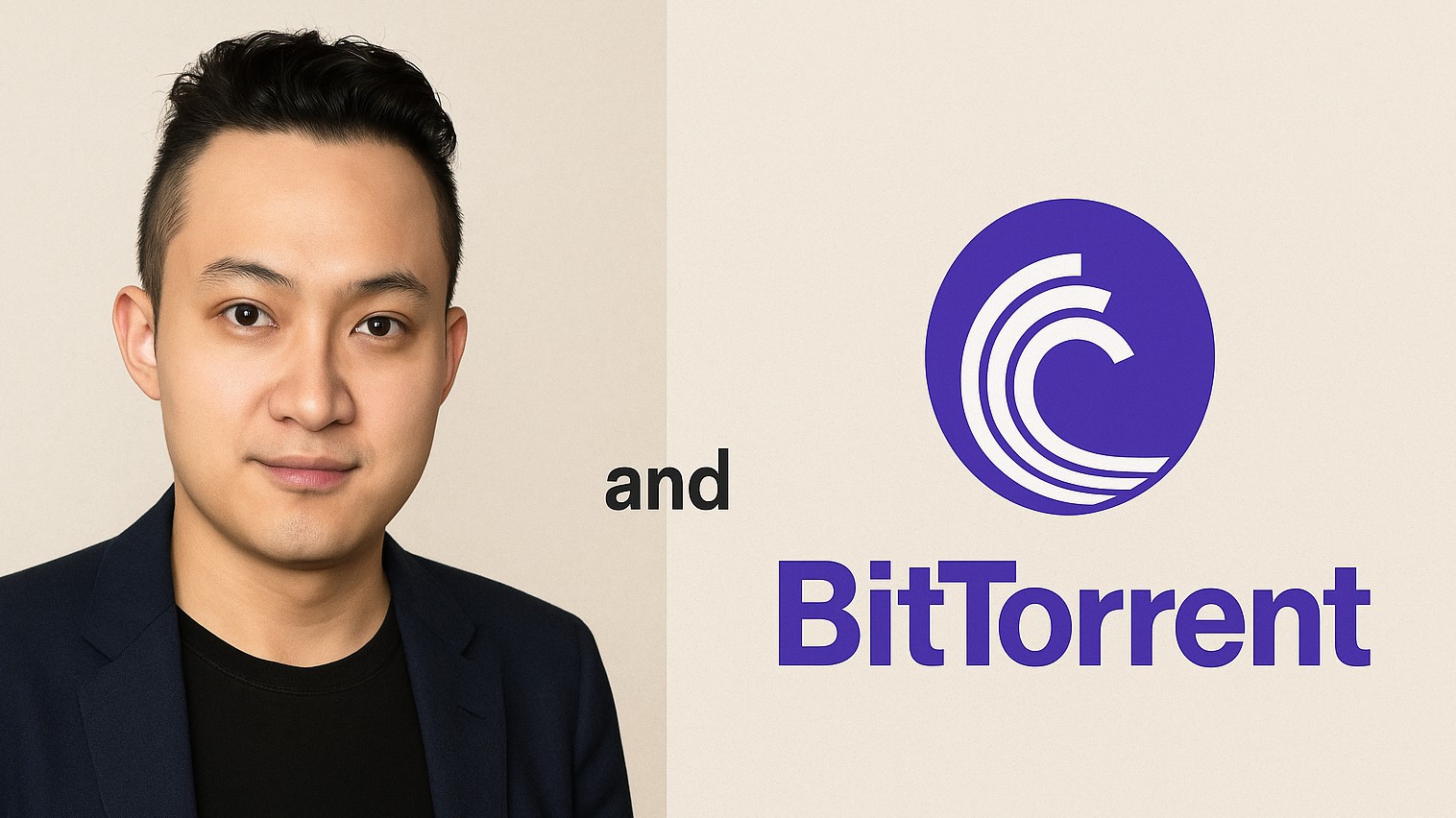
TRON was founded in 2017 by Chinese entrepreneur Justin Sun. The foundation was established in Singapore and quickly developed into a key player in the blockchain sector. A strategic milestone came in 2018 with the acquisition of BitTorrent.
By integrating this global peer-to-peer network, TRON placed worldwide content distribution and decentralized financial services even more firmly at the heart of its technological direction.
Inside TRON’s Engine: Speed, Fees, and DPoS
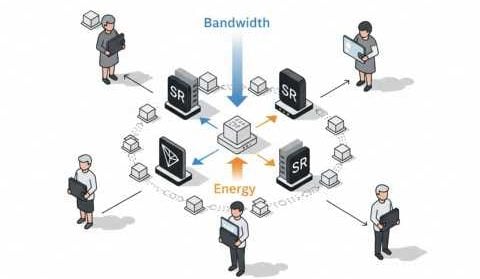
TRON operates on a Delegated Proof of Stake (DPoS) consensus mechanism, enabling fast and cost-efficient transactions. Users elect Super Representatives who handle validation and governance, providing efficiency but also introducing more centralization compared to some other networks.
The platform is smart contract-ready and fully EVM-compatible, making it easy to migrate existing Ethereum applications. With scalability reaching several thousand transactions per second (TPS), TRON outperforms many competitors. Fees are significantly lower than Ethereum, making the platform attractive for both developers and end users in DeFi and digital content.
| Feature | TRON (TRX) | Ethereum | Bitcoin |
|---|---|---|---|
| Consensus | Delegated Proof of Stake (DPoS) | Proof of Stake | Proof of Work |
| Transaction Speed | ~2000 TPS | ~30 TPS | ~7 TPS |
| Average Fees | Near zero | $1–$5 | $2–$10 |
Building Blocks: TRON’s Expanding Ecosystem
Partnerships are central to TRON’s expansion. DeFi projects such as JustLend, SunSwap, and JustStable provide decentralized lending, token swaps, and stablecoin infrastructure. TRON leads globally in stablecoin payments, with the highest transfer volume for USDT.
Collaborations with BitTorrent and Opera Browser extend its reach into Web3. In the art and NFT sector, the APENFT Foundation supports blockchain-based art projects and tokenization.
Everyday Utility: What Can You Do with TRON?
TRON’s use cases range from financial transactions to digital content and Web3 innovations. It is especially dominant in stablecoin transfers, particularly USDT transactions. In DeFi, TRON powers services such as lending, staking, and yield farming.
In content and entertainment, BitTorrent integration enables decentralized file sharing, while NFT marketplaces and APENFT support digital art and collectibles.
TRX Tokenomics: Supply, Staking, and Governance
TRON’s cryptocurrency TRX has a total supply of 100 billion tokens. TRX is used for transaction fees, staking, and governance, such as electing Super Representatives who validate the network and receive rewards in TRX. This economic design fosters participation, efficiency, and stability within the TRON ecosystem.
| Metric | Value |
|---|---|
| Total Supply | 100 billion TRX |
| Consensus Model | Delegated Proof of Stake |
| Use Cases | Transactions, staking, governance |
Fees, Speed, and On-Chain Performance
On TRON, most simple transfers feel instant and cost very little. If you interact with contracts frequently (for swaps, lending, or NFTs), staking TRX to gain Energy helps keep costs consistently low.
| Network | Typical Experience | Smart-Contract Cost Control | Contract Language |
|---|---|---|---|
| TRON | Fast finality, very low fees | Stake TRX for Bandwidth/Energy | Solidity (EVM-compatible) |
| Ethereum L1 | High security, fees vary by demand | Pay gas; L2s help reduce costs | Solidity/Vyper |
Smart Contracts, Token Standards, and NFTs
Developers write contracts in Solidity and deploy them to TRON’s EVM-compatible runtime, which makes it familiar for those experienced with Ethereum. As a user, you’ll mostly encounter two token formats for fungible assets and one for NFTs.
Token Standards Explained
| Standard | Used For | Typical Experience | Good to Know |
|---|---|---|---|
| TRC-20 | Fungible tokens (e.g., stablecoins) | Widely supported across wallets/dApps | Similar to Ethereum’s ERC-20 |
| TRC-721 | Non-fungible tokens (NFTs) | Unique digital assets | Similar to Ethereum’s ERC-721 |
| TRC-10 | Lightweight tokens | Simple issuance and transfers | Lower overhead than smart contracts |
Voting and Staking: Powering the Network
TRON uses a delegated model: token holders can stake TRX and vote for Super Representatives (SRs). The top SRs produce blocks and keep the network running. As a user, voting is straightforward in most wallets: you stake TRX, select SR candidates, and cast votes. This mechanism aligns everyday users with the network’s operation and performance.
Current TRON News and Future Outlook
As of 2025, TRON continues to show strong growth in stablecoin transactions, remaining the leader in USDT transfers. At the same time, its infrastructure expands with new DeFi and NFT projects. TRON’s tokenomics, featuring low fees, staking rewards, and scalability, supports this growth.
Users benefit from minimal transaction costs, opportunities to earn through staking, and fast processing even at high volumes. Strategically, TRON remains focused on global payments and building a robust Web3 infrastructure.
