


 All news is rigorously fact-checked and reviewed by leading blockchain experts and seasoned industry insiders.
Mining farms were invented as a response to the growing computational requirements of cryptocurrency networks, where individual machines were no longer sufficient to solve cryptographic puzzles efficiently.
| Key Fact | Summary |
|---|---|
| Definition & Purpose | Mining farms are industrial facilities housing large numbers of specialized machines to perform cryptocurrency hashing at scale, created as difficulty rose beyond what single PCs could handle. |
| Hardware Evolution | Mining progressed from CPUs to GPUs to ASICs, with each step multiplying efficiency and pushing operations from hobbyist setups to concentrated, warehouse-style farms. |
| Infrastructure Stack | Core components include ASIC/GPU rigs, robust networking, industrial-grade power distribution/transformers, and engineered cooling (fans, HVAC, or immersion). |
| Power & Energy Strategy | Energy is the dominant cost; farms co-locate near cheap or abundant power and often secure long-term utility contracts to stabilize electricity prices. |
| Cooling & Thermal Management | Every watt becomes heat; airflow design, hot/cold aisles, and immersion cooling reduce thermal stress and improve efficiency—cold climates further cut cooling needs. |
| Geography & Siting | After early concentration in China, operations redistributed to regions like the U.S. (e.g., Texas/Wyoming), Kazakhstan, and Iceland, driven by energy mix, policy, and climate. |
| Mining Pools | Even large farms join pools to smooth revenue; this concentrates hashrate in major pools but provides more predictable payouts tied to contributed work. |
| Economics & Scale | Profitability depends on hardware cost, energy price, and coin rewards/fees; frequent ASIC upgrades are required, and facilities range from 1–5 MW warehouses to 100+ MW mega-farms operating 24/7. |
The Evolution of Mining Infrastructure
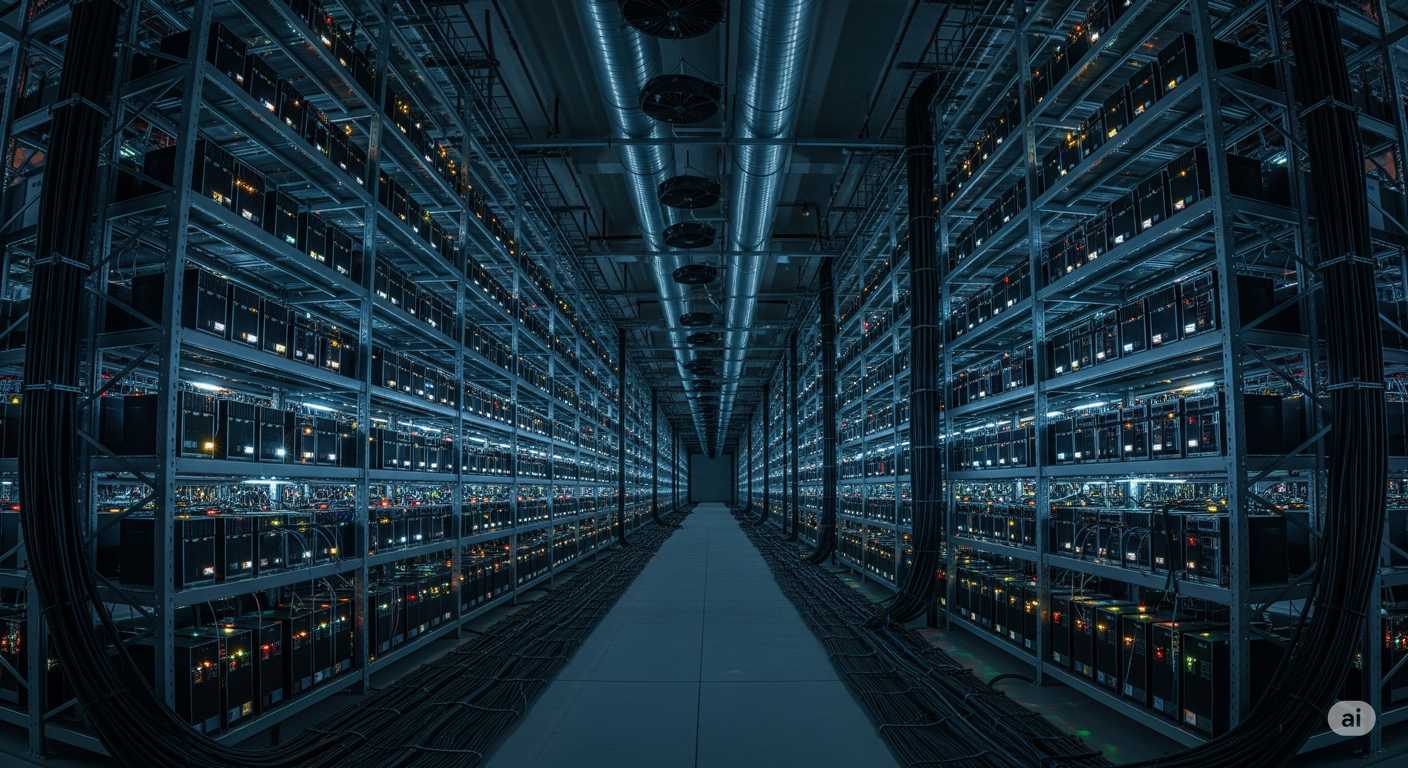
In the early days of Bitcoin, mining could be performed on home computers with simple CPUs. As network difficulty rose, hobbyists turned to GPUs, and eventually to highly specialized ASIC machines. This shift gave rise to the concept of concentrated facilities where hundreds or thousands of these devices could operate in tandem — the modern mining farm.
From Individual Miners to Industrial Scale
The transition from individual miners to industrial-scale setups was a natural progression driven by economics and technology. Mining became competitive, and those who could access cheaper energy, better cooling, and larger hardware clusters gained an advantage. These centralized hubs, often housed in warehouses or repurposed industrial facilities, became the backbone of the blockchain’s computational power.
Core Components of a Mining Farm
Mining farms are not merely collections of machines. They are complex infrastructures combining energy systems, cooling technology, and network connectivity. Below are the main pillars:
| Component | Function |
|---|---|
| ASIC/GPU Machines | Execute hashing algorithms to validate blockchain transactions. |
| Cooling Systems | Prevent overheating by using fans, immersion cooling, or advanced HVAC. |
| Power Supply | Delivers consistent electricity, often supported by industrial-grade transformers. |
| Networking | Ensures constant connection to the blockchain network for mining operations. |
Energy Considerations in Mining Farms
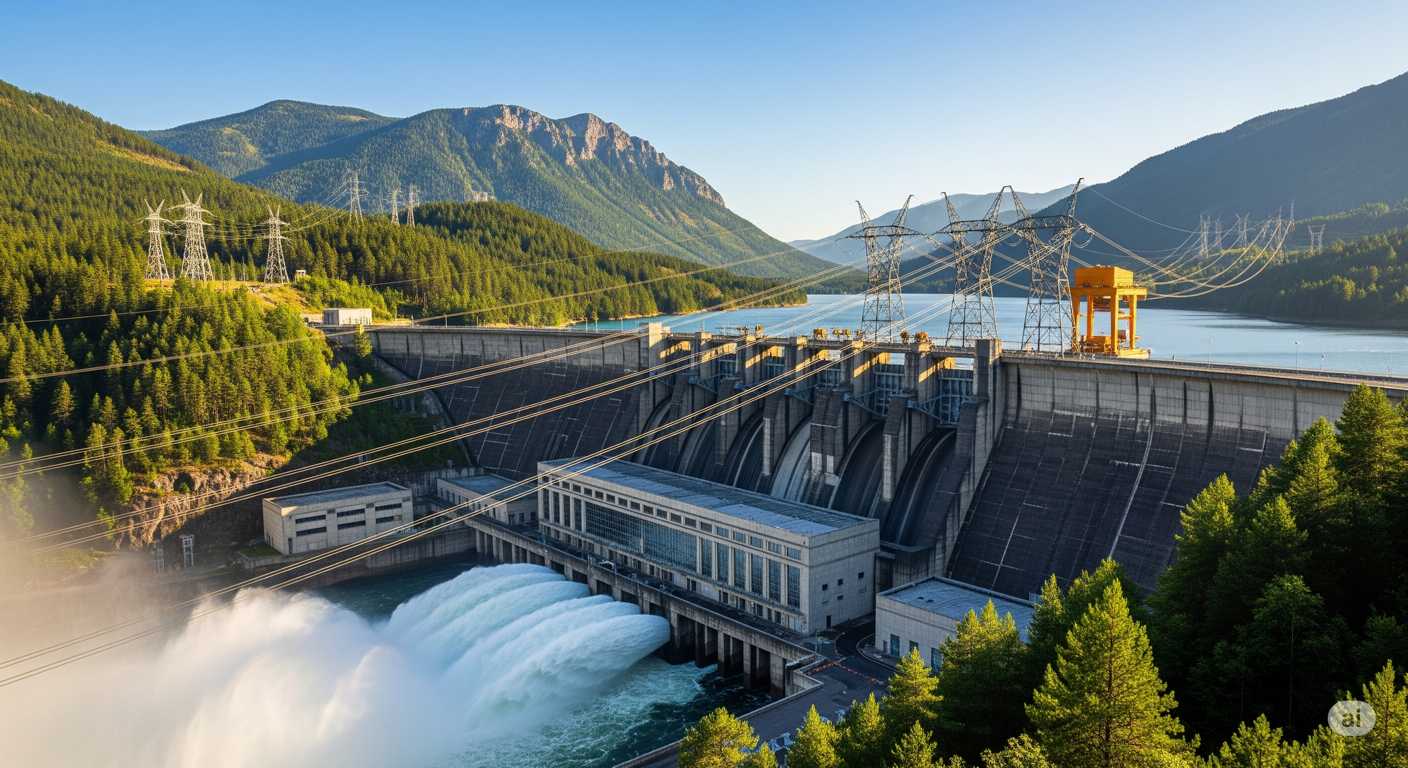
Energy is the lifeblood of any mining farm. Facilities are often located near power plants or in regions with abundant cheap energy. Hydroelectric regions in countries like Iceland or Canada have become attractive spots due to their low-cost renewable energy. Some mining farms also negotiate direct contracts with utility providers to secure long-term supply at predictable rates.
Electricity Distribution
The power architecture of a mining farm is as critical as the machines themselves. Large farms typically use industrial-grade distribution systems to channel megawatts of power safely. Without precise voltage regulation, hardware risks short circuits, reduced lifespan, and catastrophic shutdowns.
Cooling as a Parallel Challenge
Energy use is tied directly to cooling. Every watt consumed generates heat, which must be dissipated. Innovative methods such as immersion cooling — submerging devices in dielectric fluids — have been introduced to achieve both efficiency and durability. Some farms even situate themselves in naturally cold regions to minimize additional cooling costs.
Geography of Mining Farms
The location of mining farms is strategic, influenced by energy availability, climate, and infrastructure. Historically, vast mining operations concentrated in China due to inexpensive hydro and coal power. With shifts in policy, activity has redistributed across North America, Central Asia, and parts of Northern Europe.
Notable Regions
- Kazakhstan – Rich in coal and natural gas, hosting large-scale farms post-China’s restrictions.
- United States – Texas and Wyoming have emerged as crypto-friendly hubs with deregulated energy markets.
- Iceland – Powered by geothermal and hydroelectric energy, offering natural cooling advantages.
Inside the Design of a Mining Farm
The interior design resembles high-density data centers, with endless rows of machines. Airflow is meticulously engineered, and backup systems for power and connectivity are common. Mining farms can scale from small warehouse setups with hundreds of rigs to mega-facilities consuming hundreds of megawatts.
Layout Optimization
Efficient design reduces wasted energy and improves uptime. For example, hot/cold aisle arrangements — common in data centers — are increasingly used in mining to separate heated air from cooled intake. This maximizes hardware performance and minimizes downtime due to overheating.
Mining Pools and Collective Power
Even the largest mining farms rarely mine independently. Instead, they often join mining pools, aggregating their hashing power with others to smooth revenue streams. This creates a layer of collective stability, distributing block rewards proportionally to participants’ contributions.
Hashrate Distribution
The concentration of hashrate in major pools has raised debates about decentralization, but in practice, it allows farms to secure more predictable income. Mining pools thus form a critical element of how farms sustain operations, aligning their economics with blockchain’s consensus mechanisms.
The Economics of Mining Farms
The financial backbone of mining farms rests on three primary factors: hardware cost, energy pricing, and cryptocurrency market dynamics. Operators constantly evaluate whether the rewards from block subsidies and transaction fees justify operational expenditure.
Hardware Lifecycle
ASICs and GPUs have a limited productive lifespan. With each new generation of chips, performance doubles or triples, while energy efficiency improves. Farms must frequently upgrade hardware to remain competitive, leading to cycles of investment and decommissioning.
Profit Margins
Margins fluctuate with cryptocurrency market value. In bullish cycles, farms expand aggressively; in bearish markets, some facilities shutter or sell hardware at discounts. The volatility of returns makes mining farms both a technical and financial balancing act.
Specialization of Mining Farms
Different cryptocurrencies require different algorithms. Bitcoin relies on SHA-256, while Ethereum (before its shift to Proof of Stake) relied on Ethash, which favored GPU setups. Mining farms are therefore often specialized or even tailored to a single blockchain protocol.
Algorithm-Specific Infrastructure
SHA-256 ASIC farms are designed around maximum throughput, while GPU farms used for algorithms like Equihash or Ethash emphasize flexibility. Specialized farms lock into hardware that cannot easily switch to other blockchains, increasing the importance of strategic planning.
The Scale of Industrial Operations
Modern mining farms blur the line between tech infrastructure and industrial manufacturing plants. Some of the largest facilities consume as much energy as mid-sized towns. They employ dedicated staff for hardware maintenance, network engineering, and facility management, operating around the clock.
Examples of Scale
| Facility Size | Approximate Hashrate Contribution |
|---|---|
| Small Warehouse (1–5 MW) | Contributes a fraction of 1% to global hashrate |
| Medium Facility (10–50 MW) | Can represent 1–2% of total hashrate |
| Mega Farm (100+ MW) | Potentially controlling several percentage points of network hashrate |
Automation and Monitoring
To manage thousands of devices, farms rely on automated monitoring systems. These tools track power usage, hashrate efficiency, and thermal data. Artificial intelligence and machine learning are increasingly integrated to predict failures and optimize performance.
Real-Time Dashboards
Operators use dashboards similar to those found in advanced industrial plants. These provide visibility across thousands of rigs, enabling rapid identification of underperforming machines or environmental imbalances. For deeper technical insight, readers may explore SCADA systems, which share many design principles with mining farm control platforms.
Cooling Innovations in Mining Farms
As mining farms scale up, conventional cooling methods are often insufficient. The industry has pushed towards more innovative techniques to maintain efficiency while lowering costs. Proper thermal management not only extends the life of mining hardware but also allows farms to operate at full capacity without interruptions.
Immersion Cooling
One of the most notable breakthroughs is immersion cooling. In this method, mining rigs are submerged in special dielectric fluids that conduct heat away from the components without causing electrical damage. This technique dramatically reduces the need for fans, decreases noise pollution, and increases hardware durability. Several farms have adopted immersion systems to handle the growing density of machines.
Airflow Engineering
Another method involves advanced airflow engineering. Farms design their structures to optimize natural airflow, often using hot aisle/cold aisle configurations. Intake vents are carefully positioned to channel cool air, while exhaust systems extract hot air in a structured pattern. This mirrors practices from hyperscale data centers that run global internet infrastructure.
Maintenance and Operations
Running a mining farm is not solely about plugging in machines. Maintenance is an ongoing effort requiring expertise in electronics, networking, and facility management. Machines break down, fans wear out, and power fluctuations can disrupt performance. A dedicated workforce ensures that farms remain fully operational.
Hardware Replacement Cycles
ASIC miners have an average effective lifespan of 2–3 years before they are either outdated or experience significant performance degradation. Operators maintain spare parts and implement systematic replacement cycles. Old hardware may be sold to smaller operators or repurposed for altcoin mining if profitable.
Round-the-Clock Staffing
Large facilities employ staff 24/7. Roles range from technicians monitoring hash rates to electricians overseeing transformers. Teams must be ready to respond instantly to outages or mechanical failures. In practice, a mining farm functions more like an industrial power plant than a typical IT office.
Network Connectivity and Latency
Connectivity is vital. Mining requires constant communication with the blockchain network, broadcasting newly mined blocks and validating transactions. High latency can lead to stale shares, where computations become invalid because another miner already solved the block. Farms invest heavily in redundant internet connections to minimize downtime.
Redundant Connections
To prevent losses, many facilities maintain multiple fiber connections with automatic failover. Some even deploy satellite backups to ensure uninterrupted connectivity. Network engineers fine-tune latency-sensitive protocols so that farms stay competitive in submitting valid solutions.
Environmental and Energy Reuse Innovations
Although the energy intensity of mining is well-documented, farms are increasingly experimenting with energy reuse strategies. These involve recycling waste heat or situating operations near stranded energy sources.
Heat Reuse
Several projects have demonstrated that waste heat from mining rigs can be redirected to heat greenhouses, residential complexes, or industrial facilities. This creates a synergy between crypto mining and traditional industries, offsetting energy costs while supporting sustainability goals.
Stranded Energy Sources
Some farms tap into energy that would otherwise go unused. For instance, natural gas flaring at oil fields can be redirected into power generation units that fuel mining rigs. This approach converts waste into economic value and reduces environmental impact compared to flaring alone.
Security in Mining Farms
Security is paramount in mining farms. The concentration of valuable hardware and access to block rewards make them attractive targets. Protection extends beyond digital defenses to include physical safeguards.
Physical Security
Facilities often employ biometric access systems, 24/7 surveillance, and security personnel. Many farms are located in remote areas with restricted entry points, reducing exposure to theft or sabotage.
Cybersecurity Layers
On the digital side, farms protect against malware and botnets that target mining rigs. Compromised devices can secretly redirect hashing power to attackers. Operators deploy firewalls, intrusion detection systems, and regular firmware updates to safeguard assets.
Role of Mining Farms in Blockchain Networks
Mining farms collectively form the computational foundation of Proof-of-Work blockchains. Their combined hashing power ensures the immutability and resilience of distributed ledgers. Without them, consensus would weaken, making the network vulnerable to malicious actors.
Contribution to Consensus
By committing massive computational energy, farms make it prohibitively expensive for attackers to rewrite history. The sheer scale of resources underpins the security model of Bitcoin and other PoW systems. Farms therefore act as both economic entities and guardians of network integrity.
The Lifecycle of a Mining Farm
Mining farms follow a lifecycle shaped by technological and market forces. From conception to decommissioning, every phase requires strategic decisions that can define profitability and sustainability.
Planning and Construction
Initial stages include site selection, power agreements, and facility construction. Operators calculate load capacities, cooling needs, and network requirements before any machine is plugged in. Planning mistakes at this stage can lead to catastrophic inefficiencies later.
Operational Maturity
Once operational, farms shift focus to optimization. This includes continuous monitoring, upgrading firmware, and negotiating better energy rates. Success is measured not only in hashrate but also in uptime, efficiency, and return on investment.
Decommissioning and Transition
Eventually, outdated hardware or unsustainable costs lead to decommissioning. Farms may downscale, repurpose for different blockchains, or shut down entirely. The transition often involves selling equipment or relocating to regions with better conditions.
Integration with Broader Tech Infrastructure
Mining farms are increasingly seen as extensions of global data infrastructure. Their scale, energy demands, and network reliance place them closer to cloud data centers or edge computing nodes than to traditional hobbyist operations.
Convergence with Data Centers
Some operators repurpose data center facilities for mining. Conversely, mining farms are beginning to explore secondary roles, such as supporting high-performance computing (HPC) tasks when mining economics weaken. This overlap with data infrastructure illustrates their technological versatility.
Future-Proof Engineering Practices
Although mining farm operations are tied to current algorithms and blockchains, many are designed with adaptability in mind. Engineers prepare facilities with modular infrastructure that allows new hardware generations to be swapped in with minimal downtime.
Standardization of Racks and Power Units
Just as in cloud computing, modular design enables scalability and rapid deployment. Standardized racks, hot-swappable power units, and scalable cooling arrays give mining farms the ability to evolve without rebuilding from scratch.